
Reliable Roof Repairs for Sydney Homes and Businesses
Fix leaks, cracks, storm damage, and structural issues with expert repair services tailored to your roof type.
Trustindex verifies that the original source of the review is Google. We had our roof replaced by Pure Metal Roofing and found them to be very professional, they kept us informed throughout the process and we are extremely happy with the finished product.
A damaged roof can put your home or business at risk – from leaks and internal water damage to compromised insulation and structural problems. At Pure Metal Roofing Pty Ltd, our roof repair service focuses on fast response, thorough diagnostics, and practical long-term solutions.
We work with both metal and tiled roofs, repairing everything from cracked flashing and broken tiles to rusted sheets, storm damage, or sagging support structures. Our team conducts detailed roof inspections to locate not just the symptoms, but the root cause of the issue. Whether it’s a blocked valley causing overflow or loose ridge capping leading to a leak, we’ll identify the exact problem before recommending a repair.
Our licensed team handles repairs for residential, commercial, and strata-managed properties across Sydney. We’re equipped to deal with storm damage insurance repairs, recurring leak issues, and emergency roofing needs. All work is carried out using durable materials that match your existing roof profile and colour, ensuring a consistent and watertight finish.
Because we’re a fully in-house team – no subcontractors – you can expect clear communication, attention to detail, and full accountability from start to finish. Our aim is to protect your property and restore your peace of mind.
How It Works
Step 1: Request a Roof Check
Step 2: Roof Assessment
Step 3: Quote & Approval
Step 4: Repair Work Begins
Step 5: Final Inspection
5 Common Signs Your Roof May Need Repairs
Water Leaks or Ceiling Stains
Water stains on ceilings or walls are one of the most common indicators of roof damage. Even small stains may suggest moisture is entering the roof cavity. Left unaddressed, ongoing water ingress can lead to structural damage, mould growth, and costly internal repairs.
Rust or Corrosion on Metal Roofing
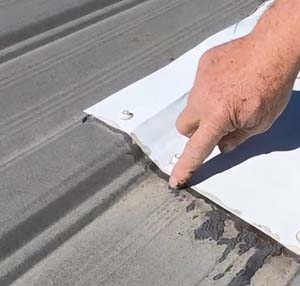
Rust patches on metal roofing often begin around fixings, seams, or flashings. While early corrosion may appear minor, it can spread quickly if moisture continues to penetrate the surface. Prompt repairs help slow deterioration and protect the overall roof structure.
Cracked or Missing Roof Tiles
Broken, cracked, or displaced tiles expose the underlay and roof structure to water entry. Storms, ageing materials, and movement in the roof can all contribute to tile damage. Replacing damaged tiles early may help prevent leaks and broader roof deterioration.
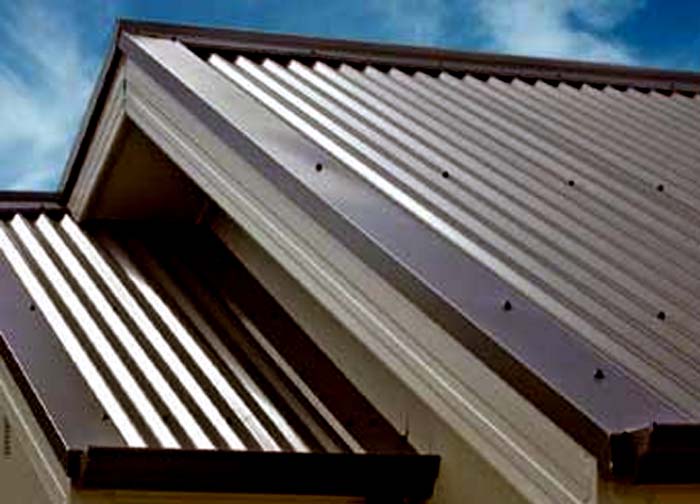
Loose Flashings or Roof Components
A sagging roofline or uneven roof sections may indicate underlying structural issues or prolonged moisture exposure. This type of problem often requires prompt assessment, as it may affect both the roof covering and the supporting framework beneath it.
Sagging Roof Areas
A sagging roofline or uneven roof sections may indicate underlying structural issues or prolonged moisture exposure. This type of problem often requires prompt assessment, as it may affect both the roof covering and the supporting framework beneath it.
GEt a free Quote
Understanding Roof Repair Options
Metal Roof Repairs
Metal roof repairs are commonly required when issues such as rust, corrosion, loose fasteners, lifting roof sheets, or deteriorated flashings develop over time. These problems often arise due to prolonged exposure to sun, wind, heavy rain, or coastal air, particularly around fixings and joints where moisture can penetrate. Repair work may involve treating affected areas, replacing damaged sections, resecuring sheets, and restoring seals to improve weather resistance. When addressed early, metal roof repairs may help slow further deterioration and extend the overall lifespan of the roof. A thorough inspection is important to identify underlying causes rather than focusing solely on visible damage, ensuring repairs support long-term performance rather than short-term fixes.
Tile Roof Repairs
Tile roof repairs typically focus on resolving issues caused by cracked, broken, or displaced tiles, as well as deterioration of ridge caps and mortar. Over time, weather exposure and roof movement can cause tiles to shift or weaken, allowing water to enter the roof cavity. Repairs may involve replacing individual tiles, re-bedding ridge caps, and re-pointing to restore stability and weather protection. Matching replacement tiles to the existing roof is often important for maintaining visual consistency, particularly on older or heritage homes. Timely tile roof repairs may help prevent internal water damage and reduce the likelihood of more extensive structural issues developing.
Roof Repairs vs Roof Replacement
Choosing between roof repairs and a full roof replacement depends on the extent of the damage and the overall condition of the roofing system. Roof repairs are often suitable when problems are localised and the roof structure remains sound. However, widespread corrosion, repeated leaks, or an ageing roof nearing the end of its expected lifespan may indicate that replacement is the more practical long-term option. A professional roof inspection allows all components of the roof to be assessed, helping property owners understand which approach offers the most reliable outcome over time.
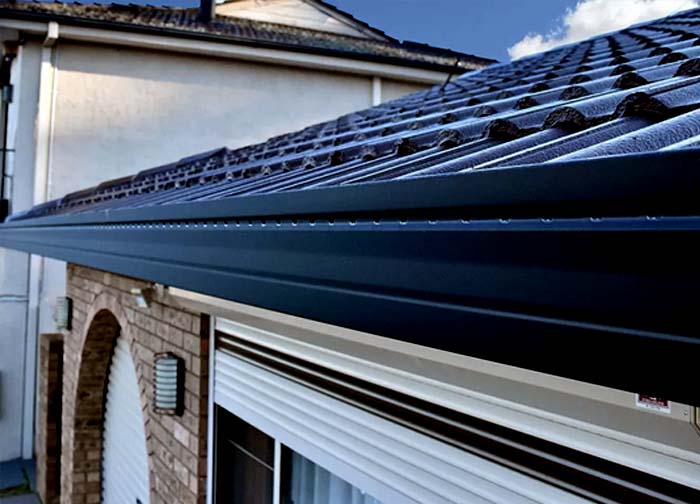
Benefits
- Quick response to leaks and damage
- Repairs done by qualified, licensed roofing experts
- Suitable for tile, metal, Colorbond, and mixed roof systems
- Match existing materials for consistent appearance
- Long-lasting repairs that prevent recurring issues
- Storm damage and insurance work welcome
- Available across all Sydney regions
- 10-Year Workmanship Guarantee on all repair work
Clients Who Trust Us
- Homeowners dealing with age-related roof wear
- Properties affected by storms, hail, or falling debris
- Strata buildings with leaks in shared or private roof areas
- Commercial properties with roofing concerns over operations
- Builders and trades needing professional repair input
- Real estate managers handling urgent tenant repair calls
Frequently Asked Questions
How do I know if my roof needs repairs or a full replacement?
The decision between roof repairs and a full roof replacement usually depends on the extent of the damage and the overall condition of the roof. If issues such as leaks, rust, or broken tiles are isolated and the rest of the roof remains structurally sound, targeted repairs are often suitable. However, widespread corrosion, repeated leaks, or an ageing roof nearing the end of its lifespan may indicate that replacement is the more practical long-term option. A professional roof inspection allows the condition of materials, fixings, flashings, and structural components to be assessed thoroughly. Based on these findings, clear recommendations can be made so you understand whether repairs are sufficient or if a new roof may provide better value and reliability over time.
What are the most common signs my roof needs repair?
Common signs that roof repairs may be required include water stains on ceilings or walls, active leaks during rain, rust patches on metal roofing, cracked or missing tiles, and loose or damaged flashings. Other indicators can include sagging roof sections, mould growth, or gutters overflowing due to drainage issues. In some cases, damage is not immediately visible from inside the property, which is why external inspections are important. Storms and high winds can also loosen fixings or dislodge roofing materials without obvious signs at ground level. Addressing these issues early may help prevent more extensive damage and reduce the likelihood of larger, more costly repairs later on.
How soon can repairs be scheduled?
Repair timeframes depend on the urgency of the issue, weather conditions, and the scope of work required. Active leaks or storm-related damage are generally prioritised, as delaying repairs in these situations may lead to further internal damage. For non-urgent repairs, inspections are arranged first to assess the roof and confirm the appropriate solution. Once this assessment is completed, repairs can be scheduled based on availability and project requirements. Clear communication is provided around expected timeframes so property owners know what to expect. While start dates can vary, enquiries are responded to promptly and efforts are made to address roofing issues as efficiently as possible.
Will the repairs match the rest of my roof?
Wherever possible, repairs are completed using materials that closely match the existing roof in colour, profile, and finish. This is particularly important for visible roof sections and heritage or character homes where appearance matters. For metal roofing, compatible materials such as Colorbond or Zincalume are selected to blend with the existing roof. For tiled roofs, suitable replacement tiles are sourced to achieve a consistent look. In some cases, natural weathering may mean repaired sections appear slightly different initially, but they generally blend in over time. The aim is always to restore both function and appearance without drawing attention to the repaired areas.
Do you offer repair services for flat or skillion roofs?
Yes, repair services are provided for flat and skillion roofs, which are commonly found on modern homes, extensions, and commercial buildings. These roof types often require specific repair methods due to their low pitch and drainage design. Common issues include water pooling, leaks around joints or penetrations, and flashing failures. Repairs focus on identifying the root cause of the problem and applying solutions that improve water flow and weather resistance. Experience with metal roofing systems used on flat and skillion roofs allows repairs to be carried out in a way that supports long-term performance rather than short-term fixes.
Can you help with insurance claims?
Assistance may be provided when roofing damage is related to storm events or other insured incidents. This typically involves documenting the damage, explaining the scope of required repairs, and supplying information that may be requested by insurers. While claims are managed directly between the property owner and the insurance provider, clear documentation and professional assessments can help support the process. Each situation is different, so an inspection is usually required to confirm the cause and extent of damage before any guidance is offered.