Metal Roofing Solutions Built to Last
Testimonials
Trustindex verifies that the original source of the review is Google. We had our roof replaced by Pure Metal Roofing and found them to be very professional, they kept us informed throughout the process and we are extremely happy with the finished product.
Metal roofing is one of the most reliable, long-lasting, and energy-efficient roofing systems available. At Pure Metal Roofing Pty Ltd, we bring over 30 years of experience to every installation, working with industry-leading materials like Colorbond and Zincalume to deliver results that stand the test of time.
Our team of licensed roofing professionals specialises in custom-fit metal roofs for residential, commercial, and heritage buildings. Whether you’re replacing an old tiled roof or building new, metal roofing offers superior fire resistance, minimal maintenance, and a clean, contemporary finish. Its lightweight structure reduces stress on your home’s frame, and its reflective properties help regulate temperature, reducing heating and cooling costs.
We tailor every project to your property’s unique requirements. From colour and profile selection to flashing, sarking, and gutter integration – every detail is carefully planned and executed. With no subcontractors involved, you can rely on us for full accountability and superior workmanship from start to finish.
Popular Metal Roofing Materials
COLORBOND® Steel
One of the most widely used roofing materials in Australia, Colorbond steel is valued for its corrosion resistance, wide colour range, and suitability for harsh environments. It is commonly installed on residential, commercial, and strata buildings across Sydney.
Zincalume® Steel
Zincalume is a zinc, aluminium, and silicon alloy-coated steel. It is often used as a base material beneath Colorbond or left unpainted for a clean, industrial aesthetic. It offers excellent longevity and value.
Zinc Roofing
Zinc is a premium architectural material known for its longevity and self-protecting patina that develops over time. It is commonly selected for bespoke or high-end designs.
Copper Roofing
Copper offers a distinctive appearance that evolves as it weathers, developing a natural patina. It is highly durable and typically used on heritage or architectural projects.
Aluminium Roofing
Lightweight and corrosion-resistant, aluminium is well suited to coastal locations where salt exposure is a concern.
GEt a free Quote
Heavier, Thicker Metal Roofing for Long-Term Performance
Not all metal roofing is the same. One of the most important factors influencing durability is metal thickness, often referred to as Base Metal Thickness (BMT) or gauge. Heavier, thicker metal:
- Greater resistance to denting from hail, falling branches, and debris during storms
- Improved structural strength, helping the roof hold its shape over time
- Reduced roof movement and vibration during high winds
- Lower risk of oil canning, creating a cleaner and more consistent roof finish
- Better performance over wider spans between battens or purlins
- Increased durability in harsh Australian conditions, including extreme heat and heavy rain
- Longer service life compared to thinner metal roofing options
- Added peace of mind for property owners seeking a more robust, long-term roofing solution
Choosing the Right Metal Roofing
1. Climate Exposure
Local climate plays a major role in metal roofing performance. Properties exposed to coastal air, strong winds, heavy rain, or intense sun benefit from corrosion-resistant materials and thicker metal. Choosing the right coating, profile, and thickness helps the roof perform consistently under Sydney’s varied and sometimes harsh weather conditions.
2. Roof Design
The pitch, size, and complexity of a roof influence which metal roofing system is most suitable. Low-pitched roofs may require concealed-fix profiles, while complex or curved designs may benefit from specific gauges or more flexible materials. Structural support spacing also impacts thickness selection and overall roof performance.
3. Desired Lifespan
Some property owners prioritise maximum longevity over upfront cost. Thicker metal roofing generally offers greater durability and resistance to wear over time. Selecting materials with longer expected service life may reduce the need for future repairs or early replacement, providing long-term value for the property.
4. Architectural Style
Metal roofing is available in a wide range of profiles, finishes, and colours to suit both traditional and modern architecture. Corrugated profiles complement heritage homes, while flat or standing seam systems suit contemporary designs. Choosing the right style helps ensure the roof enhances the property’s overall appearance.
Common Metal Roofing Thicknesses
0.42 BMT (Standard Residential)
This thickness is widely used for residential homes, garages, and sheds. When installed with appropriate support spacing, it performs well for many standard roofing applications.
0.48 BMT (Thicker, Heavy-Duty Option)
This is a preferred option for increased durability. It provides additional strength and rigidity, making it well suited to homes exposed to strong winds, hail-prone areas, and roofs with wider purlin spacing. Many property owners choose this thickness for peace of mind and long-term value.
0.60 BMT (Specialised Applications)
Used for heavy-duty or architectural roofing, including curved roofs and commercial projects where maximum strength is required.
Benefits
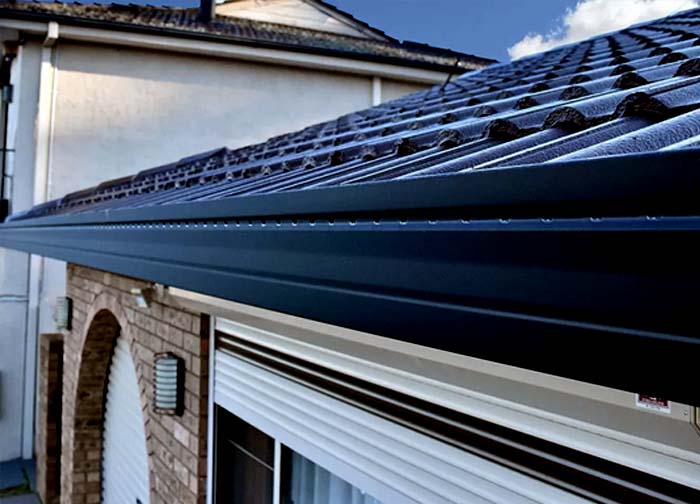
- Engineered for Australian climate conditions
- Up to 70 years lifespan with proper care
- Lightweight but strong
- Low maintenance and corrosion resistant
- Fire, hail, and wind resistant
- Wide range of colours and styles (Colorbond, Zincalume, etc.)
- Installed by licensed, in-house professionals
- 10-Year Workmanship Guarantee
Clients Who Trust Us
- Homeowners building or renovating
- Property developers and builders
- Architects and designers
- Strata managers and body corporates
- Commercial property owners
- Government buildings and public facilities
Metal Roofing Profiles and Styles
Corrugated Roofing
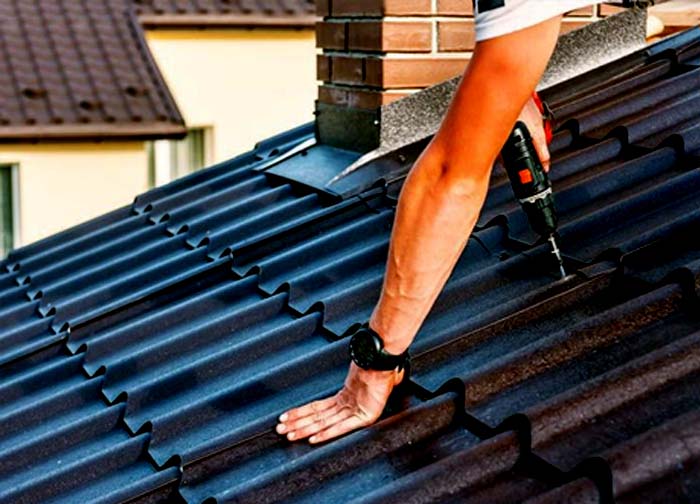
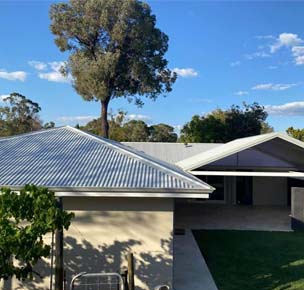
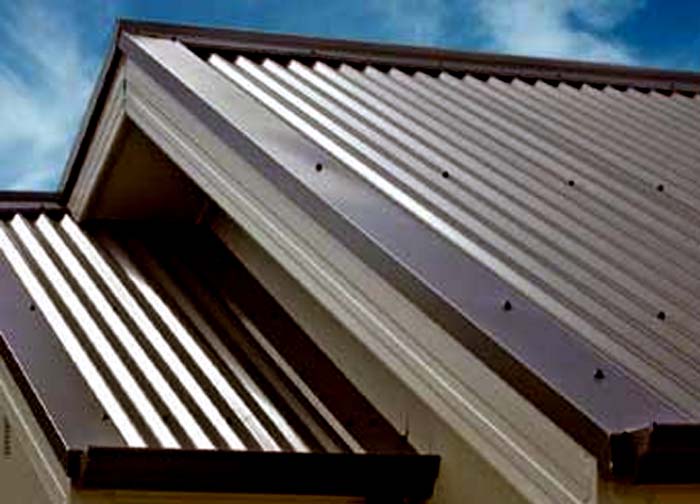
Corrugated metal roofing is one of Australia’s most recognisable and widely used roofing profiles. Its distinctive wave pattern provides excellent structural strength while allowing efficient water runoff during heavy rain. Corrugated roofing suits a broad range of properties, including heritage homes, cottages, extensions, sheds, and garages. Modern corrugated profiles, such as Custom Orb, combine the classic appearance many homeowners prefer with contemporary coatings that improve durability and corrosion resistance. This profile is well suited to Sydney homes where traditional aesthetics are important, while still offering the long service life and low maintenance associated with modern metal roofing systems.
Standing Seam Roofing
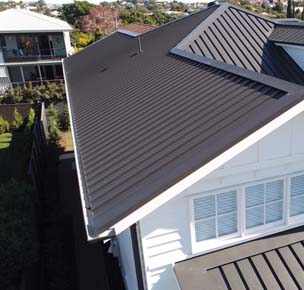
Standing seam roofing is a popular choice for modern and architecturally designed homes. This system features concealed fixings, which means there are no exposed screws, resulting in a clean, streamlined appearance. Standing seam profiles such as Klip-Lok 700, Spandek, and Trimdek are designed to accommodate thermal expansion and contraction, helping maintain roof integrity over time. These profiles are commonly used on low-pitched roofs and larger spans, making them suitable for residential, commercial, and strata buildings. Standing seam roofing delivers a refined finish while offering excellent weather resistance and long-term performance.
Flat and Low-Profile Roofing
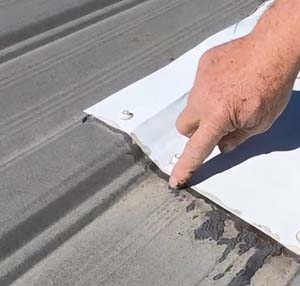
Flat and low-profile metal roofing systems are ideal for contemporary homes seeking a minimalist, architectural finish. Profiles such as Flatdek and Snaplock create smooth lines with subtle seams, enhancing modern designs without visual clutter. These systems are often used on homes with simple rooflines or integrated architectural elements. Flat and low-profile roofing requires precise installation to ensure proper water drainage and weatherproofing, making experienced workmanship essential. When installed correctly, these profiles offer strong performance, durability, and a sleek aesthetic that complements modern residential and commercial buildings.
Frequently Asked Questions
How long does a metal roof last?
The lifespan of a metal roof depends on the material used, the thickness of the metal, the quality of installation, and the surrounding environment. In Sydney conditions, a properly installed metal roof commonly lasts several decades, with many systems performing well for 40 years or more. Roofs exposed to coastal air, strong winds, or heavy weather may experience different rates of wear, which is why material choice and maintenance matter. Thicker metal generally offers greater resistance to movement, corrosion, and impact, contributing to longer-term performance. Regular inspections and timely repairs also play an important role in extending the life of a metal roof, particularly around fixings, flashings, and drainage points.
Can you install metal roofing over existing tiles?
In some cases, metal roofing may be installed over existing tiles, but this depends on several factors. The condition of the current roof structure, the weight of materials, local council requirements, and the overall roof design all need to be assessed first. While installing metal roofing over tiles may reduce demolition time, it is not always the most suitable option, especially if the existing roof has structural issues or moisture problems. A professional roof inspection helps determine whether tile removal is recommended or whether a batten and metal system can be safely installed over the existing roof. Each property is assessed individually to ensure the approach suits the building and delivers long-term performance.
Is metal roofing noisy during rain?
Modern metal roofing is far quieter than many people expect. When installed with appropriate insulation, sarking, and ceiling materials, rain noise is generally comparable to other roofing types. In residential homes, most sound is absorbed by roof insulation and internal linings, meaning rain noise is rarely an issue. Noise concerns are more commonly associated with older sheds or structures that lack insulation. Proper installation techniques, combined with quality materials and correct fixing methods, significantly reduce vibration and sound transmission. A well-designed metal roofing system prioritises both performance and comfort inside the home.
What brands do you use?
Metal roofing materials are sourced from trusted Australian manufacturers known for quality and reliability. This includes widely used products such as Colorbond and Zincalume, supplied by manufacturers like BlueScope and Lysaght, as well as profiles from Stramit. These brands offer a broad range of roofing profiles, finishes, and thicknesses suited to Sydney’s climate. Material selection is based on the property type, location, roof design, and performance requirements. Using established brands helps ensure consistency in coating quality, corrosion resistance, and long-term durability when installed correctly.
Do you service my area?
Metal roofing services are provided across the greater Sydney region, including residential, commercial, and strata properties. This covers Inner West suburbs, coastal areas, and surrounding metropolitan locations. Service availability may vary depending on the scope of work and project requirements, but inspections and quotes are arranged across Sydney where practical. If you’re unsure whether your suburb is covered, a quick enquiry allows your location and project details to be reviewed and confirmed.